

What’s Actually Trending in India’s Hospitality Industry Right Now (And What It Means for You)
HOSPITALITY TRENDS
naūkehospitality
8 min read


Current Landscape of India's Hospitality Industry
The hospitality industry in India is currently experiencing a dynamic transformation, serving as a crucial component of the nation's economic framework. The growth of this sector is not merely defined by the increase in tourist footfalls, but rather by an intricate blend of emerging trends that greatly influence consumer behavior and operational practices.
In recent years, there has been a notable shift towards sustainability. Businesses are increasingly adopting eco-friendly practices, which resonate well with the rising global consciousness regarding environmental issues. This shift reflects a growing demand for responsible tourism, where consumers prefer accommodations that prioritize sustainability initiatives. As a result, hotels and restaurants are beginning to implement measures such as waste reduction, sourcing local ingredients, and minimizing energy consumption.
Moreover, the digital revolution is altering the landscape of hospitality. The integration of technology in guest services has become indispensable, enhancing customer experiences through efficiency and personalization. From mobile check-ins to AI-powered customer service, technology plays an essential role in meeting the expectations of modern travelers who crave convenience and responsiveness.
Another significant trend is the emergence of experiential tourism. Today’s travelers seek meaningful experiences that delve into local cultures and traditions, driving the hospitality sector to innovate and diversify its offerings. This trend manifests in the form of immersive tours, culinary classes, and cultural workshops, which not only enhance tourist experiences but also contribute to local economies.
Understanding these trends is vital not only for industry professionals but also for travelers and consumers at large. By staying informed about what is trending in India's hospitality scene, stakeholders can make more educated decisions, enhancing their experiences in this vibrant market.
Sustainability Practices on the Rise
The hospitality industry in India is experiencing a significant shift towards sustainability, as eco-friendly practices gain traction among hotels and restaurants. This trend comes in response to growing awareness regarding environmental issues and the pressing need to address climate change. Many establishments are adopting practices such as reducing energy consumption, minimizing waste, and opting for sustainable sourcing of food and materials.
Hotels are implementing energy-efficient lighting and HVAC systems, utilizing renewable energy sources like solar power, and promoting water conservation measures. Additionally, many are renovating their facilities with sustainable materials, further reducing their ecological footprint. Restaurants are also joining the movement, often prioritizing locally sourced ingredients to support regional farmers while decreasing carbon emissions associated with food transportation.
The benefits of such sustainable tourism practices extend beyond environmental concerns. Consumers are increasingly preferring properties that demonstrate a commitment to sustainability. This growing preference not only reflects a change in consumer behavior but also acts as a motivator for hospitality businesses to adopt green practices. Establishments that effectively communicate their sustainability efforts often experience enhanced customer loyalty and positive brand perception. Furthermore, guests are more likely to share their experiences related to eco-friendly practices through social media, creating additional promotional opportunities.
In this context, the role of consumers cannot be overstated. Today’s travelers are more informed and conscious of the environmental impact of their choices, thus expecting hotels and restaurants to align with their values. They actively seek accommodations and dining options that support sustainable development. As the trend continues, the hospitality sector in India is likely to evolve further, with eco-friendly initiatives becoming standard rather than optional. Emphasizing sustainability not only benefits the environment but also positions hospitality businesses as leaders in responsible tourism, ultimately enhancing their appeal to a wider audience.
Technology Integration and Innovation
In recent years, the hospitality industry in India has witnessed a transformative shift due to technology integration and innovation. The adoption of contactless services has become a vital trend, driven mainly by the increased demand for safety and convenience in the wake of the global pandemic. Hotels and restaurants are implementing digital check-ins, mobile ordering, and payment solutions to provide a seamless guest experience while minimizing physical contact.
Another significant advancement is the use of artificial intelligence (AI) in customer service. AI-powered chatbots and virtual assistants are no longer just a novelty; they are becoming essential components of customer engagement strategies. These technologies can handle inquiries and provide real-time assistance, enabling service providers to cater to guests' needs promptly. Furthermore, AI algorithms analyze customer preferences, assisting businesses in delivering personalized experiences that enhance customer satisfaction.
Mobile applications are also playing a crucial role in reshaping guest experiences. Many hotels and chains now offer customized apps that allow guests to do everything from booking to accessing room controls, ordering room service, and participating in loyalty programs. The integration of mobile technology not only empowers guests to interact with their environment more effectively but also streamlines operations for service providers. With data analytics, businesses can gain insights into guest behavior and preferences, which can inform future strategies and offerings.
As technology continues to evolve, the hospitality industry must stay ahead by embracing these innovations. The integration of contactless services, AI, and mobile applications reflects a broader trend towards creating more efficient, personalized, and safe environments for guests. This shift indicates a promising future for the hospitality industry, where technology not only enhances operational efficiencies but also enriches the overall guest experience.
Culinary Experiences and Local Flavors
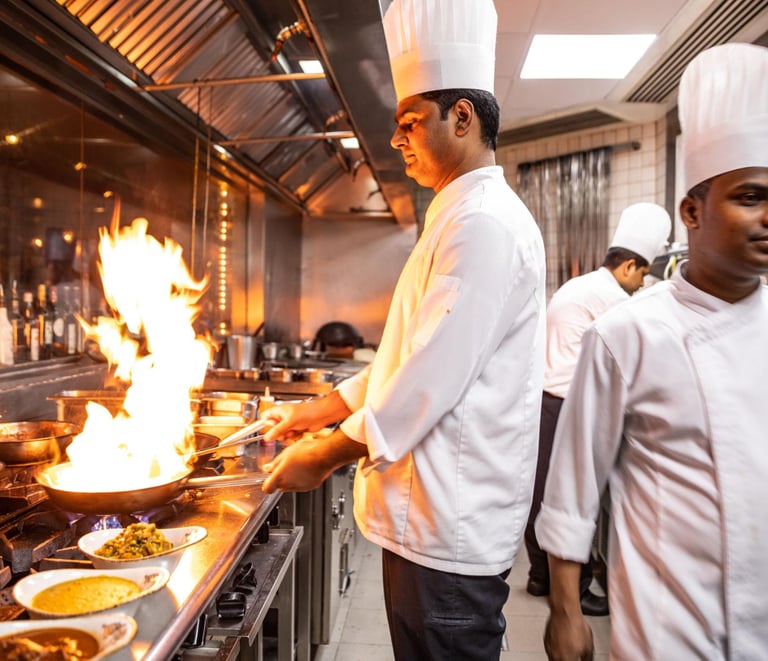
In recent years, the hospitality industry in India has witnessed a significant shift towards culinary tourism, which focuses on the rich and diverse culinary heritage of the region. As global travelers increasingly seek authentic experiences, restaurants across India are tailoring their menus to reflect local cultures, traditions, and flavors. This trend emphasizes the importance of showcasing regional cuisines, fostering a deeper connection between food, culture, and the travel experience.
Restaurants are adapting their offerings not only to highlight local ingredients but also to incorporate traditional cooking techniques that have been passed down through generations. By doing so, these establishments provide visitors with an opportunity to savor the true essence of the region. Whether it is the aromatic spices of North Indian curries or the coastal flavors of South Indian seafood dishes, the emphasis on authentic dining helps travelers immerse themselves in the local culture.
Adding to this trend, chef-led experiences are gaining popularity, allowing guests to engage with culinary experts in a more personal setting. These experiences often include hands-on cooking classes, guided tasting menus, and exclusive access to unique recipes that might not be available in conventional settings. This level of interaction not only enhances the overall dining experience but also empowers visitors to gain insights into the stories behind each dish, fostering appreciation for local culinary artistry.
Moreover, the focus on culinary tourism aligns with a growing interest in sustainable practices. Many restaurants are now sourcing ingredients locally, promoting sustainable food systems while supporting local farmers and artisans. This not only enhances the freshness of the dishes served but also creates a positive impact on local economies.
Wellness and Health-Conscious Offerings
In recent years, there has been a significant shift in the hospitality industry towards wellness tourism, reflecting a growing awareness of health and holistic well-being among travelers. This emerging trend is reshaping the offerings of hotels and resorts across India, inviting establishments to introduce a range of health-conscious facilities and services aimed at enhancing the guest experience. With the rise of wellness retreats, hospitality providers now cater to tourists seeking environments that promote relaxation, mindfulness, and overall wellness.
Health-oriented food menus are a focal point in this evolution. Many hotels are now collaborating with nutritionists and chefs to curate menus that prioritize nutritious ingredients while still celebrating local culinary traditions. Options such as plant-based dishes, organic produce, and gluten-free selections are increasingly common, appealing to health-conscious travelers and those with dietary restrictions. This dedication to nutrition not only enhances the dining experience but also showcases the establishment's commitment to promoting guest well-being.
Moreover, wellness retreats are expanding beyond mere relaxation. Many properties now include comprehensive wellness programs that integrate physical fitness and mental wellness into the stay. Yoga classes, meditation sessions, spa therapies, and fitness workshops are offered to provide guests with holistic experiences that rejuvenate both the body and mind. This focus on mental and physical health not only attracts modern travelers but also supports their desire for enriching experiences during their journeys.
The significance of health-conscious offerings in India's hospitality landscape is clear. As more travelers prioritize wellness as an integral part of their journeys, accommodations that respond proactively to these demands will likely find themselves at a competitive advantage. Embracing this trend not only meets the evolving expectations of guests but also establishes a reputation for innovation and care within the industry.
The Shift in Consumer Expectations
As the hospitality industry in India continues to evolve, consumer expectations are shifting in significant ways. Modern travelers are increasingly seeking personalized experiences and tailor-made services that cater to their unique preferences. This shift towards personalization is evident in various aspects of hospitality, from the type of accommodation guests are choosing to the amenities they desire. Today’s consumers are not just looking for a place to stay; they want a refined experience that resonates with their individual lifestyles and values.
Furthermore, flexibility in booking has become a crucial factor for travelers. In the wake of unpredictable global events, the demand for adaptive booking options is stronger than ever. Customers are expecting easy cancellation policies, adjustable travel dates, and seamless modifications to their reservations. Hence, hospitality businesses must implement systems that prioritize guest flexibility, ensuring their needs are met while building a loyal customer base.
In addition to personalization and flexibility, there is a rising demand for unique and immersive experiences among consumers. Guests are increasingly favoring establishments that offer local charm, distinctive cultural insights, and exclusive activities. This trend indicates a shift from conventional tourism to experiential travel, where visitors crave memorable encounters over standard offerings. To respond effectively to these changing expectations, hospitality businesses in India need to invest in innovative ideas that reflect the local culture and provide guests with opportunities to engage with the environment meaningfully.
By embracing these trends, businesses can enhance guest satisfaction and create a competitive advantage. Adapting to the evolving expectations of consumers is essential for the growth and sustainability of the hospitality sector in India. Companies that successfully integrate personalization, flexibility, and unique experiences into their service offerings are likely to thrive in this dynamic landscape.
Future Outlook and Conclusion
The hospitality industry in India is on the brink of significant transformation, shaped by evolving consumer preferences and technological advancements. With a resurgence in travel following the global pandemic, there is a palpable optimism among various stakeholders, including hotel owners and restaurateurs. The demand for personalized experiences continues to influence the sector, compelling businesses to adapt by adopting innovative strategies that address the preferences of a diverse customer base. For instance, the integration of smart technology in hotels enables enhanced customer service and streamlined operations, which is becoming an essential component of modern hospitality.
Moreover, sustainability practices are gaining momentum, with both guests and investors favoring establishments that prioritize eco-friendly solutions. This trend opens an avenue for hospitality entities to showcase their commitment to environmental stewardship, which can significantly influence customer loyalty and brand image. The shift towards local and experiential travel also suggests that hospitality providers should consider curating unique offerings that reflect regional culture and heritage, tapping into the growing desire for authentic experiences among travelers.
As we look ahead, it is essential for stakeholders in the hospitality industry to remain agile and responsive to current trends. Hotel owners and restaurateurs should invest in developing a strong online presence and employing data analytics for informed decision-making. Building partnerships within the travel ecosystem, including local businesses and influencers, can further enhance visibility and appeal to niche markets. With a strategic approach that encompasses customer-centric innovations, sustainable practices, and collaborative efforts, the hospitality industry in India can navigate the challenges and opportunities of the future effectively.
In summary, understanding the prevailing trends and preparing for imminent changes will empower stakeholders to thrive in a competitive landscape. Embracing adaptability and foresight will be crucial for leveraging the growth potential within India’s dynamic hospitality sector.







Contact
Reach out to book or consult with us.
Phone
team@naukehospitality.com
+91-8073624579
© 2025. All rights reserved.